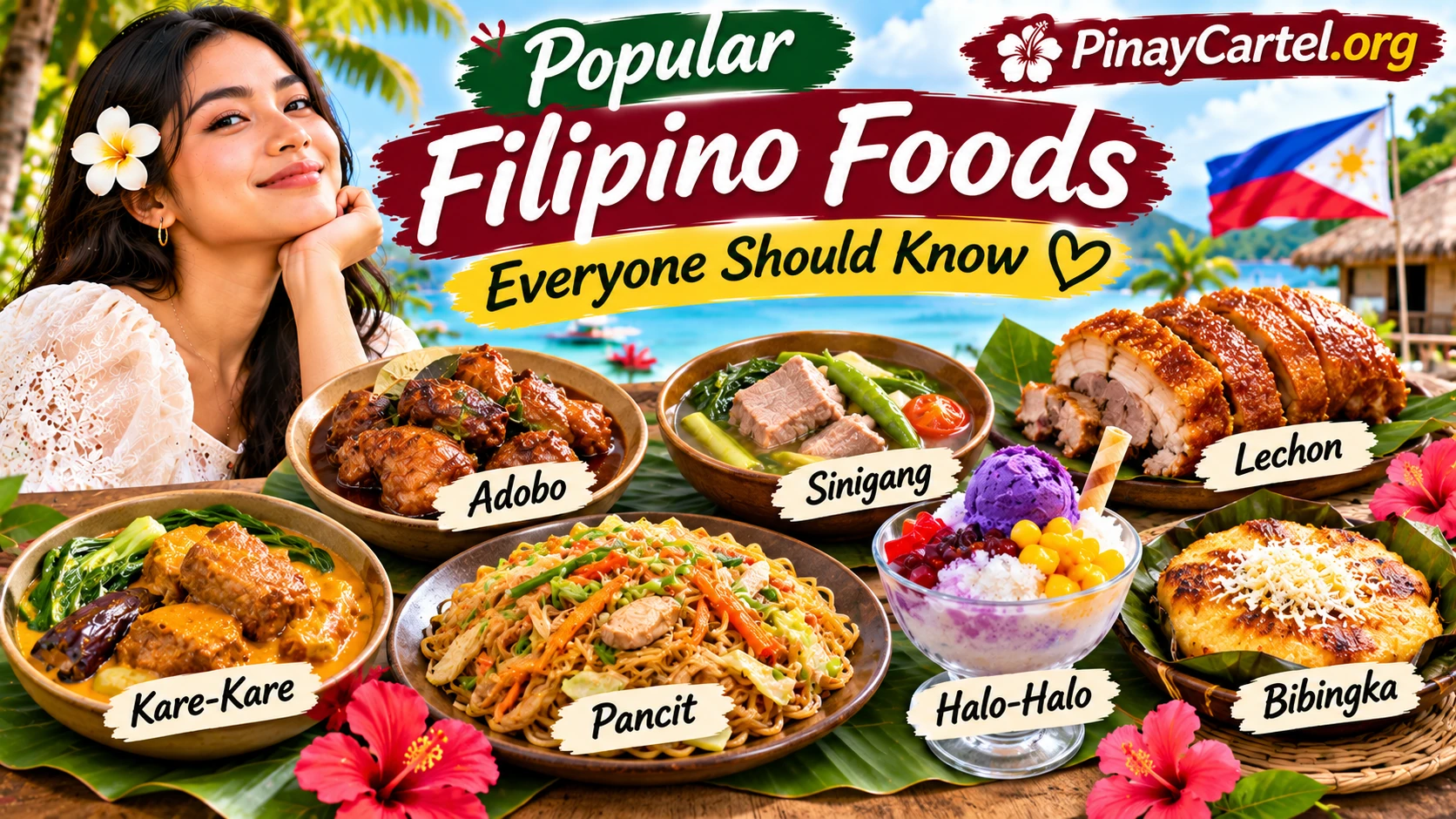

Food is also closely connected to Filipino family life. Meals are often shared during family gatherings, birthdays, festivals, holidays, and other special occasions. Traditional recipes are passed down through generations, helping preserve regional flavours and cultural traditions.
Whether someone is discovering Filipino cuisine for the first time or learning more about Filipino culture, understanding its popular dishes offers an interesting look into everyday life in the Philippines.
This Pinaycartel guide explores popular Filipino foods everyone should know, including traditional main dishes, snacks, desserts, street foods, and regional specialities.
1. What Makes Filipino Cuisine Special?
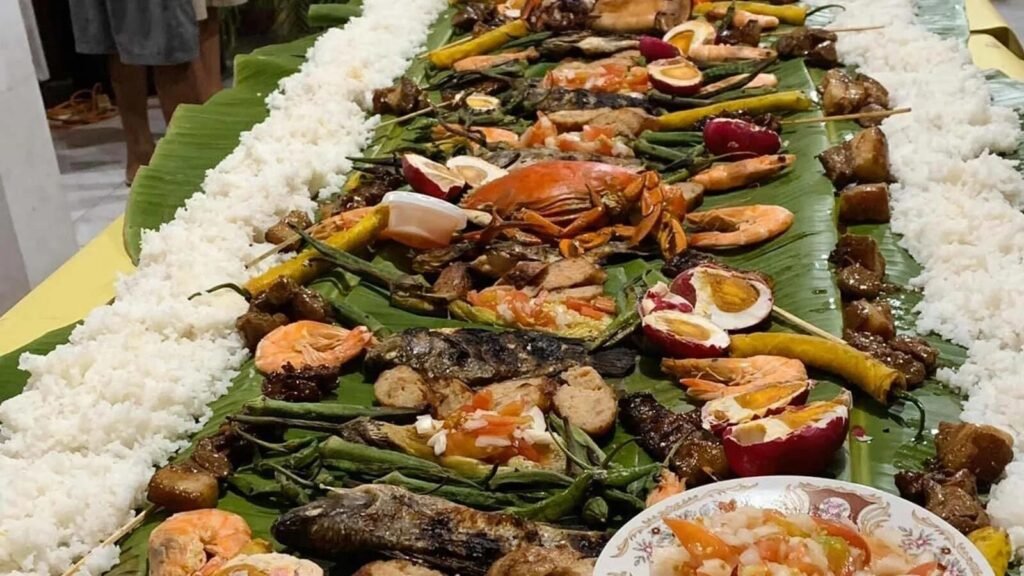
Filipino cuisine is known for combining different flavours, ingredients, and cooking techniques. Its culinary traditions have developed through centuries of cultural exchange and regional influences.
Many Filipino dishes combine salty, sour, sweet, and savoury flavours. Ingredients such as garlic, onions, vinegar, soy sauce, coconut milk, ginger, seafood, rice, and tropical fruits are commonly used.
Another important feature of Filipino cuisine is its regional diversity. Food preferences can vary significantly between Luzon, Visayas, and Mindanao.
Some dishes are popular throughout the country, while others are strongly associated with particular provinces and communities.
Common characteristics of Filipino cuisine include:
-
Rice served with many everyday meals.
-
Fresh seafood and locally available vegetables.
-
Cooking techniques such as grilling, steaming, frying, and stewing.
-
Sauces and seasonings that balance different flavours.
-
Traditional desserts made with coconut, rice, and tropical fruits.
-
Shared meals that bring families and communities together.
2. Adobo: One of the Most Popular Filipino Dishes
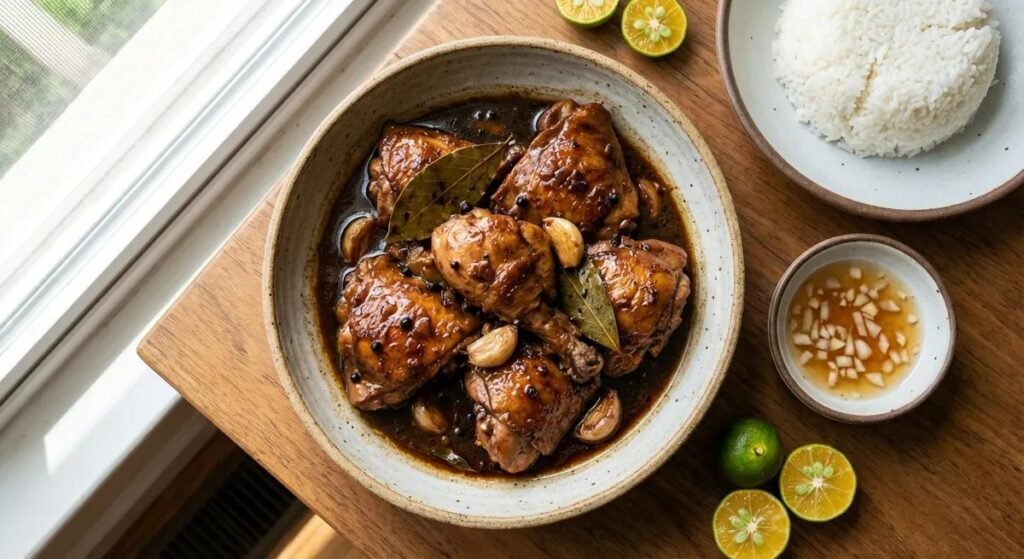
Adobo is one of the best-known dishes in Filipino cuisine. It is commonly prepared using chicken or pork cooked with vinegar, soy sauce, garlic, black pepper, and bay leaves.
The ingredients are simmered together until the meat becomes tender and absorbs the flavourful sauce.
Some families prefer a darker, richer sauce, while others prepare a lighter version with more vinegar.
Adobo is commonly served with steamed white rice. Its simple ingredients, satisfying flavour, and easy preparation have made it a familiar dish in Filipino households.
Different regions and families have their own variations, making adobo an excellent example of Filipino culinary diversity.
3. Sinigang: A Traditional Filipino Sour Soup
Sinigang is a traditional Filipino soup recognised for its distinctive sour flavour.
It is commonly prepared using tamarind, although other souring ingredients such as calamansi, guava, or kamias may also be used.
Popular versions include:
-
Sinigang na Baboy: Prepared with pork.
-
Sinigang na Hipon: Prepared with shrimp.
-
Sinigang na Isda: Prepared with fish.
-
Sinigang na Baka: Prepared with beef.
Vegetables such as tomatoes, radish, eggplant, water spinach, and green beans are often included.
Sinigang is generally served hot with rice and is enjoyed as a comforting meal in many Filipino homes.
4. Lechon: A Favourite Dish for Special Occasions
Lechon is a traditional roasted pig dish that holds a special place in Filipino celebrations.
It is commonly served during weddings, birthdays, Christmas gatherings, festivals, and community celebrations.
The preparation involves roasting a whole pig over a fire until the skin becomes crisp and the meat is cooked.
Lechon is particularly associated with Cebu, where Cebu-style lechon is famous for its seasoning and preparation methods.
It is often served with liver-based sauce or other dipping sauces, depending on regional preferences.
For many Filipino families, lechon represents celebration, hospitality, and the joy of sharing food with others.
5. Pancit: Traditional Filipino Noodle Dishes
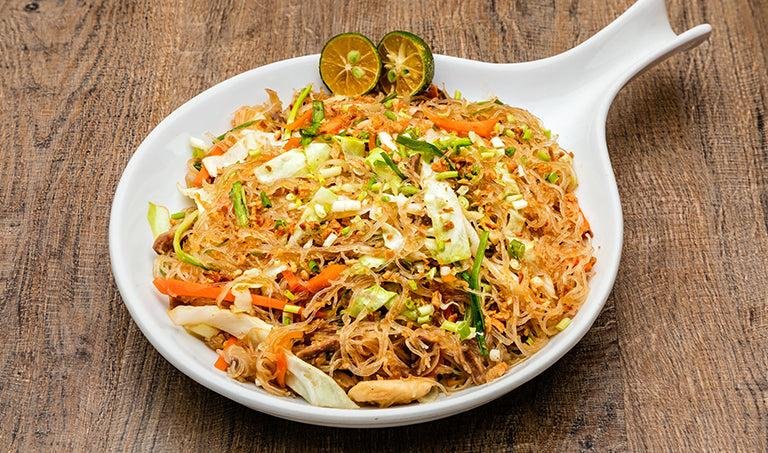
Pancit refers to different Filipino noodle dishes influenced by Chinese culinary traditions.
It is commonly served during birthdays, family gatherings, and celebrations. In Filipino culture, noodles are often associated with long life and good fortune.
Popular varieties include:
Pancit Bihon: Thin rice noodles cooked with vegetables, meat, and seasonings.
Pancit Canton: Wheat-based noodles stir-fried with vegetables and different proteins.
Pancit Palabok: Rice noodles topped with a rich orange-coloured sauce, seafood, crushed pork cracklings, and other garnishes.
Pancit is usually served with calamansi, which adds a refreshing citrus flavour.
6. Lumpia: Filipino-Style Spring Rolls
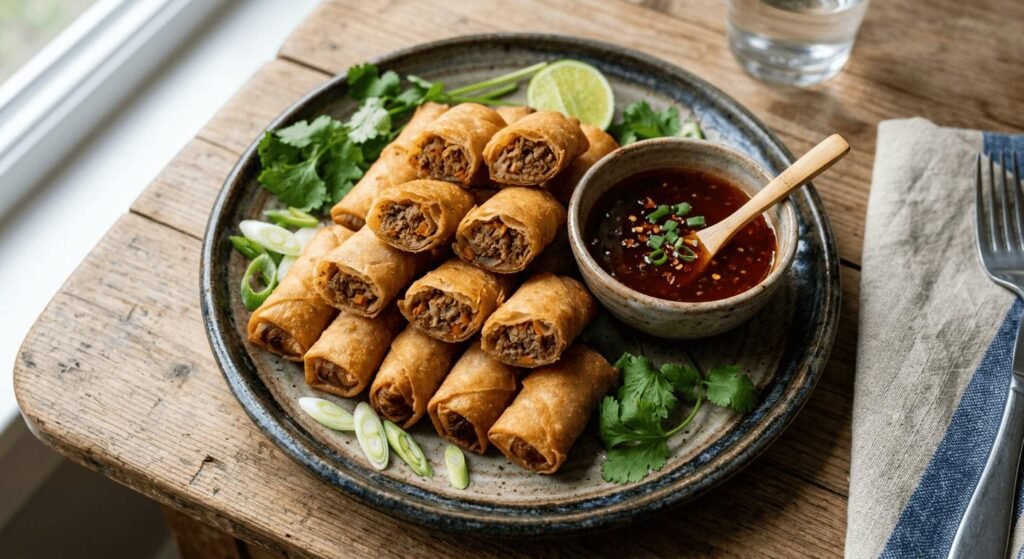
Lumpia is a popular Filipino snack and party food inspired by Chinese spring rolls.
The most familiar variety is Lumpiang Shanghai, which consists of thin wrappers filled with seasoned ground meat and vegetables.
The rolls are wrapped tightly and fried until golden and crispy.
Other varieties include:
-
Lumpiang Gulay: Vegetable-filled spring rolls.
-
Lumpiang Sariwa: Fresh spring rolls served with a savoury sauce.
-
Lumpiang Ubod: Spring rolls filled with heart of palm and other ingredients.
Lumpia is commonly served with sweet chilli sauce, vinegar-based dipping sauce, or other condiments.
It is particularly popular during parties and family celebrations.
7. Kare-Kare: A Rich Peanut-Based Filipino Stew
Kare-Kare is a traditional Filipino stew recognised for its thick peanut-based sauce.
It is commonly prepared with oxtail, beef, or other meats, along with vegetables such as eggplant, banana blossoms, and string beans.
The dish has a mild, nutty flavour and a thick consistency.
Kare-Kare is traditionally served with bagoong, a fermented shrimp paste that adds a salty contrast to the creamy sauce.
It is often prepared for special meals, family gatherings, and celebrations.
8. Sisig: A Popular Filipino Sizzling Dish
Sisig is a well-known Filipino dish that originated in Pampanga, a province in Central Luzon.
Traditional sisig is prepared using chopped pork parts, onions, chillies, calamansi juice, and seasonings.
It is often served on a hot sizzling plate, giving it an appealing presentation.
Modern variations may include chicken, seafood, tofu, and other ingredients.
Sisig is commonly enjoyed with steamed rice and is popular in restaurants and casual dining establishments throughout the Philippines.
9. Halo-Halo: A Colourful Filipino Dessert
Halo-Halo is one of the most recognisable Filipino desserts.
The name means “mix-mix” in Filipino, referring to the way its ingredients are combined before eating.
It usually contains crushed or shaved ice, evaporated milk, sweetened beans, coconut strips, fruits, jellies, and other toppings.
Popular additions include:
-
Ube halaya.
-
Leche flan.
-
Sweetened banana.
-
Jackfruit.
-
Tapioca pearls.
-
Sweetened beans.
-
Ice cream.
Halo-Halo is especially popular during warm weather because of its refreshing combination of cold ingredients and sweet flavours.
10. Leche Flan: A Traditional Filipino Dessert
Leche flan is a smooth caramel custard dessert commonly prepared with egg yolks, condensed milk, evaporated milk, and sugar.
The mixture is steamed or baked until it develops a soft, creamy texture.
Once prepared, the dessert is turned over to reveal a layer of caramel sauce.
Leche flan is frequently served during Christmas celebrations, birthdays, fiestas, and family gatherings.
Its rich texture and sweet flavour make it one of the most familiar desserts in Filipino households.
11. Bibingka and Puto Bumbong: Traditional Filipino Rice Cakes
Bibingka and puto bumbong are traditional Filipino rice cakes strongly associated with the Christmas season.
Bibingka is a soft rice cake traditionally baked in a clay oven using banana leaves. It is commonly topped with salted egg, cheese, butter, or grated coconut.
Puto Bumbong is a purple-coloured sticky rice cake traditionally steamed in bamboo tubes. It is commonly served with grated coconut, butter, and sugar.
Both foods are especially popular near churches during the Christmas season, when many Filipino communities participate in Simbang Gabi celebrations.
12. Filipino Street Foods Everyone Should Know
Street food is an exciting part of everyday food culture in the Philippines.
Markets, roadside stalls, and neighbourhood food vendors offer affordable snacks that attract locals and visitors.
Some popular examples include:
Kwek-Kwek
Kwek-kwek consists of boiled quail eggs covered in orange-coloured batter and deep-fried until crispy. It is commonly served with vinegar-based or sweet dipping sauces.
Fish Balls
Fish balls are made from seasoned fish paste, shaped into small balls, and fried. They are often served on skewers with different dipping sauces.
Banana Cue
Banana cue is prepared by coating bananas in caramelised brown sugar and frying them until golden.
Isaw
Isaw is a grilled street food prepared using cleaned and seasoned chicken or pork intestines. It is commonly served with vinegar-based dipping sauce.
These snacks reflect the creativity and variety of Filipino street food traditions.
13. Regional Filipino Foods Worth Exploring
The Philippines has thousands of islands and many distinct regional food traditions. Exploring local dishes provides a deeper understanding of the country’s culinary heritage.
| Regional dish | Associated region | Description |
|---|---|---|
| Bicol Express | Bicol | Spicy pork dish cooked with coconut milk and chillies |
| La Paz Batchoy | Iloilo | Noodle soup with pork, broth, and toppings |
| Chicken Inasal | Bacolod | Grilled chicken marinated with local seasonings |
| Kinilaw | Various coastal regions | Fish or seafood prepared with vinegar or citrus |
| Bagnet | Ilocos | Crispy deep-fried pork belly |
| Pastil | Maguindanao | Rice topped with seasoned shredded meat and wrapped in banana leaves |
These dishes demonstrate how local ingredients, geography, and cultural influences shape Filipino cuisine.
14. The Importance of Food in Filipino Culture
Food in the Philippines is more than something people eat to satisfy hunger. It is connected to family relationships, hospitality, celebrations, and cultural identity.
Family Gatherings
Filipino families often prepare several dishes when relatives visit or during special occasions. Sharing meals creates opportunities for conversations and stronger relationships.
Festivals and Celebrations
Food is an important part of local fiestas, religious celebrations, weddings, and national holidays.
Different regions prepare their own special dishes depending on local ingredients and traditions.
Hospitality and Sharing
Filipino hospitality is often expressed through food. Offering meals to visitors and sharing homemade dishes are familiar practices in many households.
Passing Down Traditional Recipes
Family recipes are frequently shared between generations. This helps preserve traditional cooking methods and regional food knowledge.
Frequently Asked Questions (FAQs)
1. What is the most popular Filipino food?
Adobo is among the most widely recognised Filipino dishes. Other popular choices include sinigang, lechon, pancit, lumpia, and kare-kare.
2. What is the national food of the Philippines?
Adobo is often popularly described as the national dish of the Philippines, although the country does not have one officially designated national dish.
3. What do Filipinos commonly eat every day?
Rice is a common staple in Filipino households. It is often served with meat, seafood, vegetables, eggs, soups, or other side dishes.
4. What is a traditional Filipino breakfast?
Popular Filipino breakfast meals include tapsilog, longsilog, tocilog, pandesal, fried eggs, and garlic rice.
5. What are the most popular Filipino desserts?
Popular Filipino desserts include halo-halo, leche flan, bibingka, puto bumbong, ube halaya, and turon.
6. What is Filipino street food famous for?
Filipino street food is known for affordable and flavourful snacks such as kwek-kwek, fish balls, banana cue, isaw, and taho.
7. Is Filipino food spicy?
Most traditional Filipino dishes are not extremely spicy, although some regional cuisines, particularly in Bicol, are known for using chillies and spicy ingredients.
8. What makes Filipino food different from other Asian cuisines?
Filipino cuisine combines indigenous ingredients with influences from Southeast Asian, Chinese, Spanish, and other culinary traditions. Its distinctive use of vinegar, souring ingredients, coconut milk, and varied seasonings gives many dishes their characteristic flavours.
Conclusion
Filipino cuisine offers a fascinating combination of traditional recipes, regional specialities, and international influences. From familiar dishes such as adobo and sinigang to popular desserts like halo-halo and leche flan, every meal provides an opportunity to explore Filipino culture and culinary history.
Food also plays an important role in bringing Filipino families and communities together. Traditional recipes, local ingredients, and shared meals help preserve cultural connections across generations.
For anyone interested in Filipino culture, exploring its popular foods is an excellent starting point. Each dish tells a story about the country’s traditions, regional diversity, and everyday lifestyle.

[…] Pinaycartel guide covers 15 beautiful places to visit in the Philippines, including their main attractions, […]