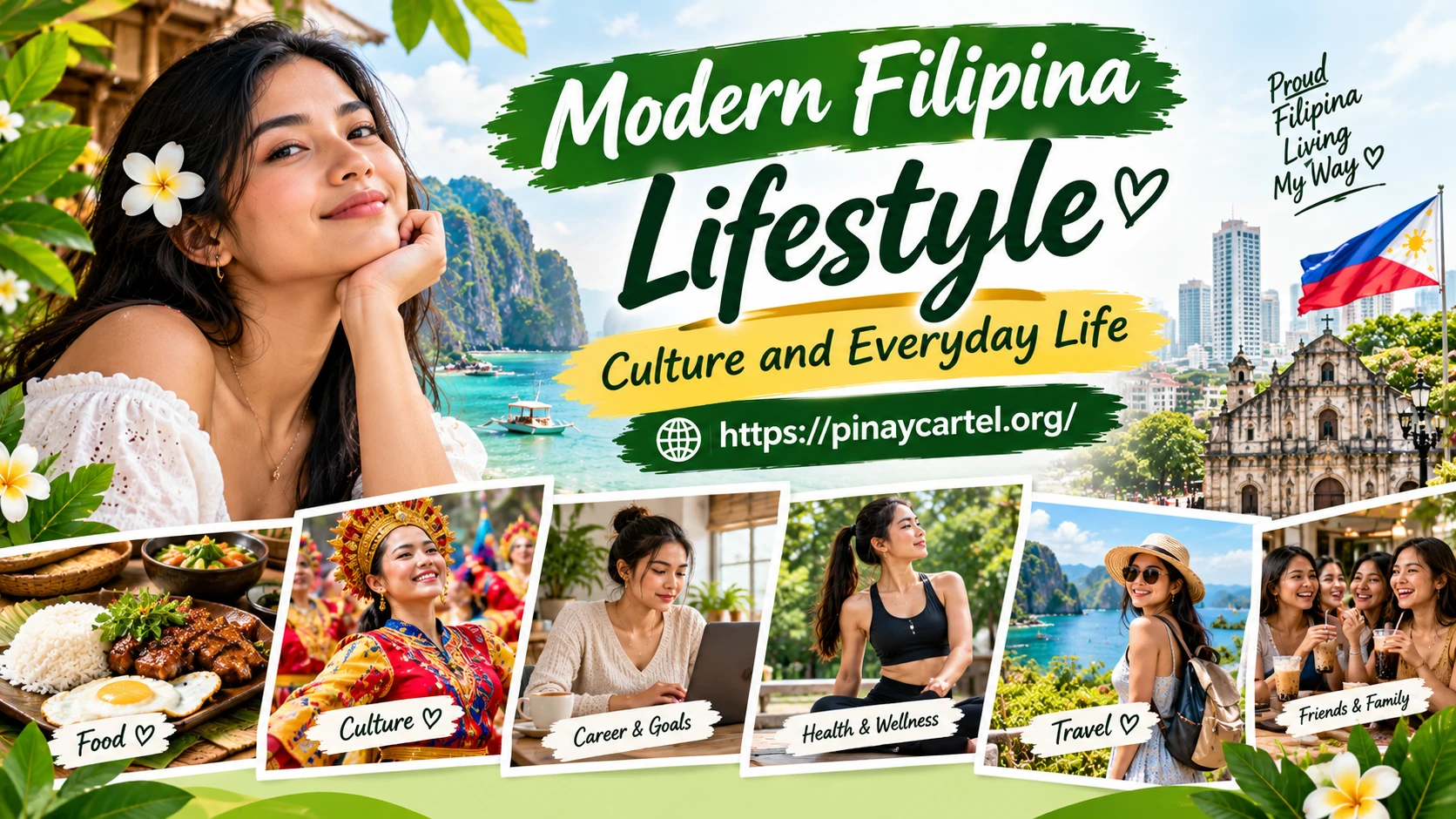

The Philippines has a diverse cultural background shaped by indigenous traditions, Asian influences, Spanish history, and modern global connections. These influences can be seen in everyday Filipino life, from family gatherings and traditional food to fashion, entertainment, and social activities.
Understanding the modern Filipina lifestyle means looking beyond stereotypes. Every Filipina has her own personality, experiences, priorities, and lifestyle choices. Some prefer traditional family-centred routines, while others focus on professional development, entrepreneurship, travel, or creative interests. Many combine several aspects of modern and traditional living.
This Pinay cartel guide explores Filipino culture, everyday routines, fashion, family relationships, education, career opportunities, and the changing lifestyle of Filipina women.
1. Understanding the Modern Filipina Lifestyle
The modern Filipina lifestyle is not defined by a single routine or set of expectations. It represents the different ways Filipino women live, work, study, communicate, and participate in society.
Some Filipinas live in busy cities such as Manila, Cebu, and Davao, where professional opportunities, shopping centres, universities, and entertainment venues influence everyday routines. Others live in smaller towns and rural communities, where local traditions and community relationships remain important.
Modern technology has also changed how Filipinas connect with the world. Social media, online education, remote employment, and digital businesses provide opportunities that were less accessible to previous generations.
Common elements of modern Filipina lifestyles include:
-
Balancing personal goals with family responsibilities.
-
Pursuing higher education and professional careers.
-
Maintaining cultural traditions and celebrations.
-
Exploring fashion, beauty, and personal style.
-
Using digital platforms for communication and entertainment.
-
Developing financial independence and new skills.
-
Participating in local and international communities.
These experiences demonstrate how Filipino women are adapting to changing opportunities while maintaining different connections to their cultural backgrounds.
2. Family Values and Everyday Relationships
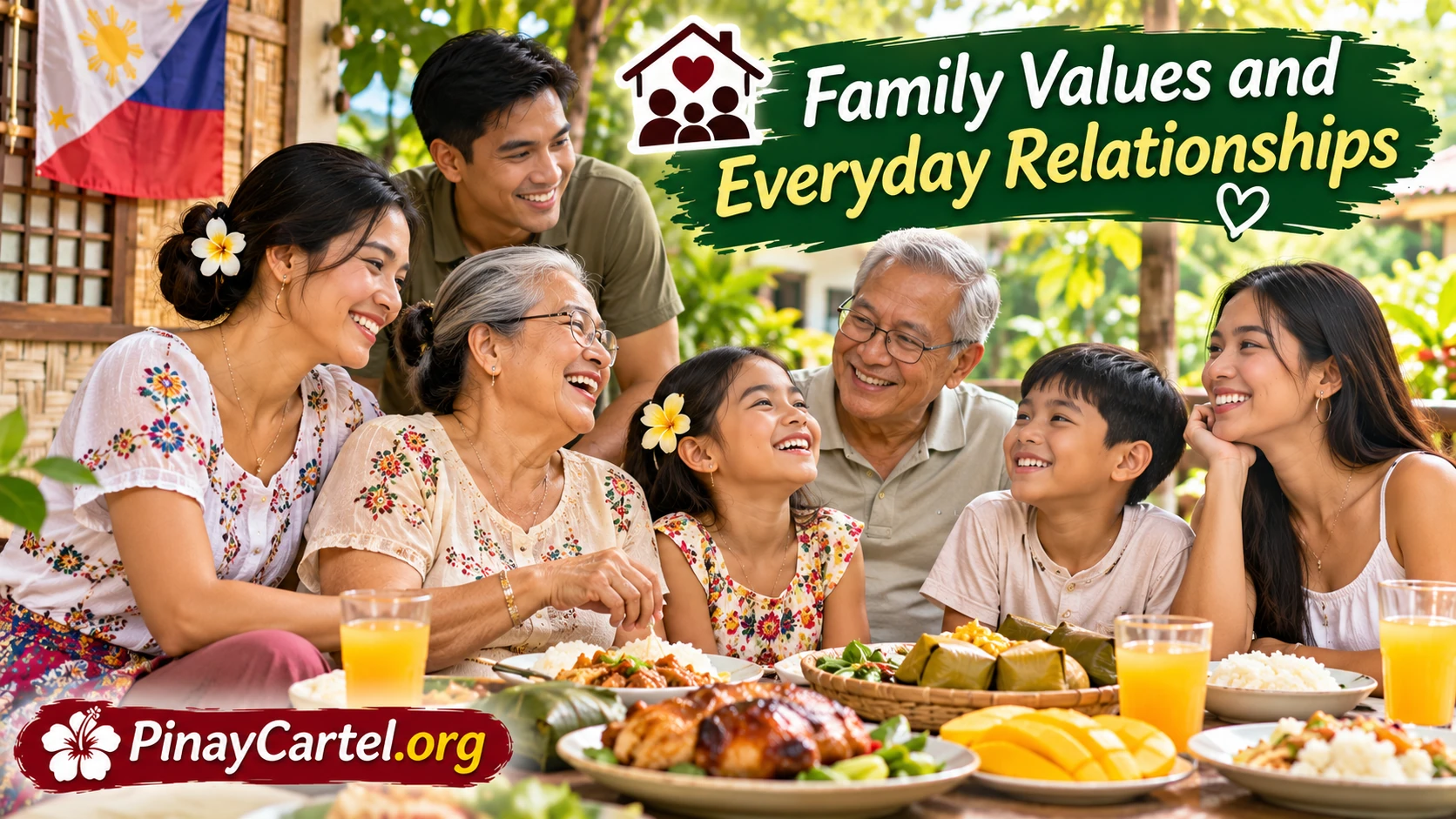
Family is an important part of Filipino culture. Many Filipina women grow up in households where relationships with parents, siblings, grandparents, and extended family members receive considerable attention.
Family connections often influence everyday decisions, celebrations, and personal responsibilities.
Family Gatherings and Traditions
Weekend lunches, birthday celebrations, weddings, and holiday gatherings provide opportunities for relatives to spend time together.
Filipino families often prepare traditional dishes for special occasions. These gatherings may include conversations, music, games, and shared meals.
Respect for Elders
Respect for older family members is another familiar aspect of Filipino culture.
Expressions such as po and opo are commonly used in Filipino conversations to show respect. Some families also practise mano po, a traditional gesture of respect toward elders.
Changing Family Roles
Modern family structures are becoming more diverse. Many women pursue careers, establish businesses, manage households, and make independent decisions.
The responsibilities and expectations differ between families, but maintaining meaningful relationships remains important in many Filipino communities.
3. Education and Career Opportunities
Education and professional development play significant roles in modern Filipino society.
Filipina women participate in different educational and professional fields, including medicine, engineering, business, information technology, education, hospitality, and creative industries.
Access to digital learning has also expanded opportunities for women who want to develop new skills.
Popular Career Paths
Some professional areas where Filipina women build careers include:
-
Healthcare and medical services.
-
Teaching and academic research.
-
Business management and entrepreneurship.
-
Technology and digital marketing.
-
Finance and administration.
-
Media, communication, and creative industries.
Entrepreneurship and Online Businesses
Online platforms have created additional opportunities for Filipino women to establish businesses.
Some operate online stores, provide freelance services, create digital content, or manage small businesses from home.
Social media platforms also help entrepreneurs introduce their products, communicate with customers, and reach international markets.
4. Modern Filipina Fashion and Personal Style
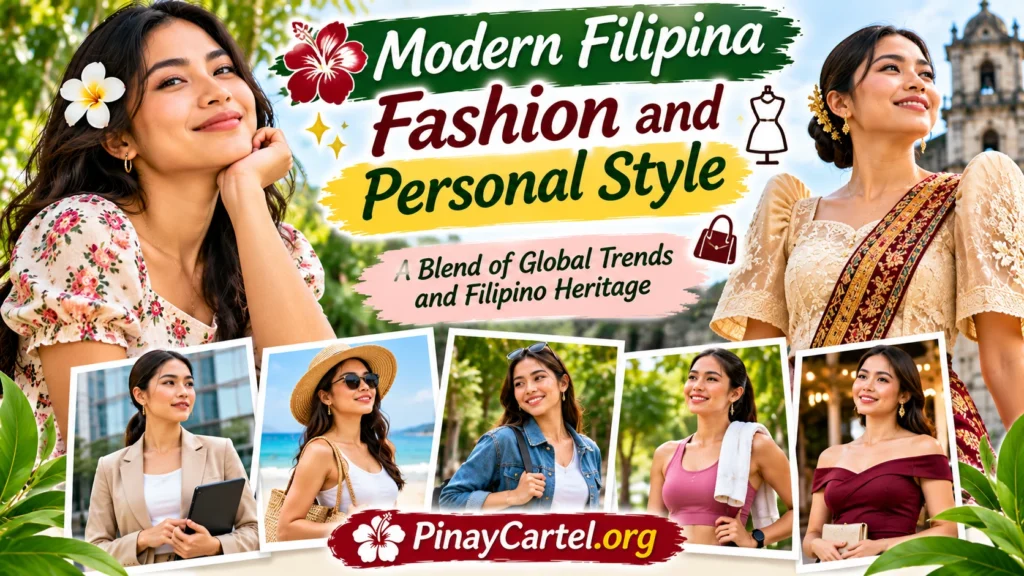
Fashion is another interesting part of the modern Filipina lifestyle. Clothing choices vary depending on personal preferences, weather, professional environments, and cultural occasions.
Modern Filipina fashion combines international trends with traditional Filipino influences.
Everyday Casual Fashion
For everyday activities, many women choose comfortable clothing such as jeans, T-shirts, dresses, sneakers, and casual footwear.
Lightweight fabrics are popular because of the Philippines’ tropical climate.
Professional Clothing
In professional environments, women may wear formal dresses, trousers, blouses, skirts, and business-casual outfits.
Fashion preferences differ according to workplace requirements and individual style.
Traditional Filipino Clothing
Traditional clothing remains relevant during cultural celebrations, weddings, festivals, and formal occasions.
Some well-known garments include:
-
Baro’t Saya: A traditional Filipino women’s outfit.
-
Filipiniana: A style associated with traditional Philippine women’s clothing, often featuring distinctive butterfly sleeves.
-
Terno: A formal dress recognized for its structured butterfly sleeves.
Contemporary designers continue to reinterpret traditional clothing through modern cuts, fabrics, and designs.
5. Food, Cooking, and Everyday Filipino Meals
Food plays an important role in everyday Filipino life. Rice is a common staple, and meals often include vegetables, meat, seafood, soups, and different sauces.
Many Filipina women prepare meals at home, explore new recipes, or enjoy eating at local restaurants. However, cooking habits vary depending on work schedules, family arrangements, and personal preferences.
Popular Filipino Meals
Some familiar dishes include:
-
Adobo: Meat cooked with vinegar, soy sauce, garlic, and seasonings.
-
Sinigang: A sour soup prepared with vegetables and meat or seafood.
-
Pancit: A variety of Filipino noodle dishes.
-
Lumpia: Filipino spring rolls with different fillings.
-
Kare-Kare: A traditional stew commonly prepared with peanut-based sauce.
Merienda: The Filipino Snack Tradition
Merienda refers to a light snack enjoyed between main meals.
Common choices include pandesal, banana cue, turon, rice cakes, and local sweets. Coffee, tea, and refreshing drinks are also popular accompaniments.
Food traditions provide a connection between generations and help preserve regional culinary heritage.
6. Beauty, Wellness, and Self-Care
Personal care and wellness are part of everyday life for many modern Filipinas. Beauty routines can include skincare, hair care, makeup, fitness activities, and relaxation.
However, there is no universal beauty standard or routine that defines Filipino women.
Skincare and Personal Care
Some women prefer simple skincare routines involving cleansing, moisturizing, and sun protection. Others enjoy experimenting with makeup, beauty products, and different personal-care practices.
Physical Activities
Walking, dancing, cycling, swimming, yoga, and gym activities are among the ways people maintain active lifestyles.
The choice of activity depends on personal interests, available facilities, and individual schedules.
Mental Wellness
Maintaining a healthy balance between work, relationships, and personal time is also important.
Reading, spending time with friends, enjoying hobbies, and taking breaks from digital devices can support everyday well-being.
Technology has become an important part of modern Filipino life.
Social media platforms such as Facebook, Instagram, TikTok, YouTube, and Pinterest allow people to communicate, share experiences, discover trends, and follow interests.
Many Filipina content creators produce videos and posts about:
-
Fashion and personal style.
-
Filipino food and recipes.
-
Travel and local destinations.
-
Beauty and skincare.
-
Home decoration and lifestyle.
-
Education and professional development.
Digital platforms also provide opportunities for small businesses, freelancers, and independent creators.
At the same time, responsible internet use, privacy awareness, and maintaining a healthy balance between online and offline activities are important.
8. Entertainment, Music, and Leisure Activities
Entertainment is another major part of everyday Filipino culture.
Music, television, movies, karaoke, sports, and social gatherings provide opportunities for relaxation and connection.
Karaoke Culture
Karaoke is particularly popular in the Philippines. Friends and family members often sing together during birthdays, holidays, and other celebrations.
Movies and Television
Filipino television dramas, local films, international movies, and streaming platforms attract audiences with different interests.
Travel and Outdoor Activities
Many Filipinas enjoy exploring beaches, mountains, historical locations, shopping destinations, and cultural attractions.
Popular destinations include Boracay, Palawan, Cebu, Baguio, and Siargao.
These activities highlight the variety of experiences available across the country.
9. Modern Filipina Lifestyle in the Philippines and Abroad
The lifestyle of a Filipina can vary considerably depending on where she lives.
Life in the Philippines
Women living in the Philippines experience different lifestyles depending on their location.
Urban areas provide access to universities, offices, shopping centres, entertainment, and professional opportunities. Rural communities may offer closer connections to agriculture, local traditions, and smaller community networks.
Life Abroad
Many Filipina women live in countries such as the United States, Canada, Australia, the United Kingdom, and the United Arab Emirates.
Living abroad can introduce different professional opportunities, educational experiences, and cultural environments.
Despite geographical distance, many maintain relationships with relatives in the Philippines through video calls, social media, family visits, and cultural celebrations.
10. How the Modern Filipina Lifestyle Is Changing
The modern Filipina lifestyle continues to evolve as technology, education, economic opportunities, and social expectations change.
Several developments are influencing everyday experiences.
Greater professional participation: More women are pursuing careers across different industries and professional sectors.
Digital opportunities: Remote work, online businesses, and digital education are creating alternative career paths.
Changing fashion preferences: Contemporary clothing increasingly combines international trends with traditional Filipino designs.
Global cultural connections: International travel, entertainment, and online communities expose Filipino women to different cultures and perspectives.
Personal independence: More women are exploring their individual goals, interests, and professional ambitions.
These changes do not mean that traditional values have disappeared. Instead, different generations and communities are finding their own ways to combine cultural heritage with modern living.
Frequently Asked Questions (FAQs)
1. What is the modern Filipina lifestyle?
The modern Filipina lifestyle includes different aspects of everyday life, such as education, careers, family relationships, fashion, food, technology, entertainment, and cultural traditions.
2. What are the important values in Filipino culture?
Family relationships, respect for elders, hospitality, community participation, and maintaining relationships are important values in many Filipino communities.
3. What do Filipina women do in their daily lives?
Daily routines vary. Some women attend school, work in offices, manage businesses, care for family members, participate in community activities, or pursue personal interests.
4. What is popular in modern Filipina fashion?
Modern Filipina fashion includes casual clothing, business outfits, contemporary dresses, and traditional-inspired garments such as modern Filipiniana designs.
5. What food is popular in Filipino households?
Common Filipino dishes include adobo, sinigang, pancit, lumpia, kare-kare, and different rice-based meals.
Social media has changed communication, entertainment, education, shopping, and business opportunities. It also allows Filipino women to share their culture with international audiences.
7. Do Filipina women living abroad maintain Filipino traditions?
Many do. They may celebrate Filipino festivals, prepare traditional meals, communicate in Filipino languages, and participate in cultural community events.
8. Is the modern Filipina lifestyle different from traditional Filipino culture?
Modern lifestyles often include new technologies, professional opportunities, and changing social practices. However, traditional customs and family connections continue to influence many people’s lives.
Conclusion
The modern Filipina lifestyle represents the diversity of Filipino women and their everyday experiences. From family traditions and traditional food to professional careers, contemporary fashion, digital platforms, and international communities, Filipina women participate in many different aspects of modern society.
There is no single lifestyle that represents every Filipina. Personal choices, regional backgrounds, family traditions, education, and living environments all influence how individuals experience Filipino culture.
Understanding modern Filipina life requires appreciating both its cultural foundations and its changing nature. The connection between heritage and contemporary living makes Filipino culture diverse, dynamic, and relevant across generations.