

Today, Filipino women are active participants in almost every major sector. Some build successful careers, others establish businesses, work in public service, contribute to scientific research, or support their communities through education and social initiatives. Many also balance professional responsibilities with personal goals and family relationships.
The role of Filipino women in modern society cannot be explained through a single experience. Their opportunities and challenges differ depending on education, economic background, location, and personal circumstances.
This Pinay cartel article explores the contributions of Filipino women, their changing social roles, professional achievements, cultural influence, and the challenges they continue to address.
1. Understanding the Role of Filipino Women in Society
Filipino women have traditionally held important positions within families and communities. They have contributed to household management, education, cultural preservation, agriculture, local businesses, and community activities.
However, their roles have expanded significantly over time.
Modern Filipino women participate in professional industries, government institutions, entrepreneurship, international organizations, and digital businesses.
Today, their contributions include:
-
Supporting economic growth through employment and entrepreneurship.
-
Promoting education and knowledge development.
-
Participating in political leadership and public administration.
-
Improving healthcare and community well-being.
-
Preserving Filipino culture and traditions.
-
Supporting social development and equality.
-
Contributing to innovation and technological progress.
These contributions demonstrate that Filipino women are not limited to traditional responsibilities. They actively influence the country’s social, economic, and cultural development.
2. Filipino Women in Education
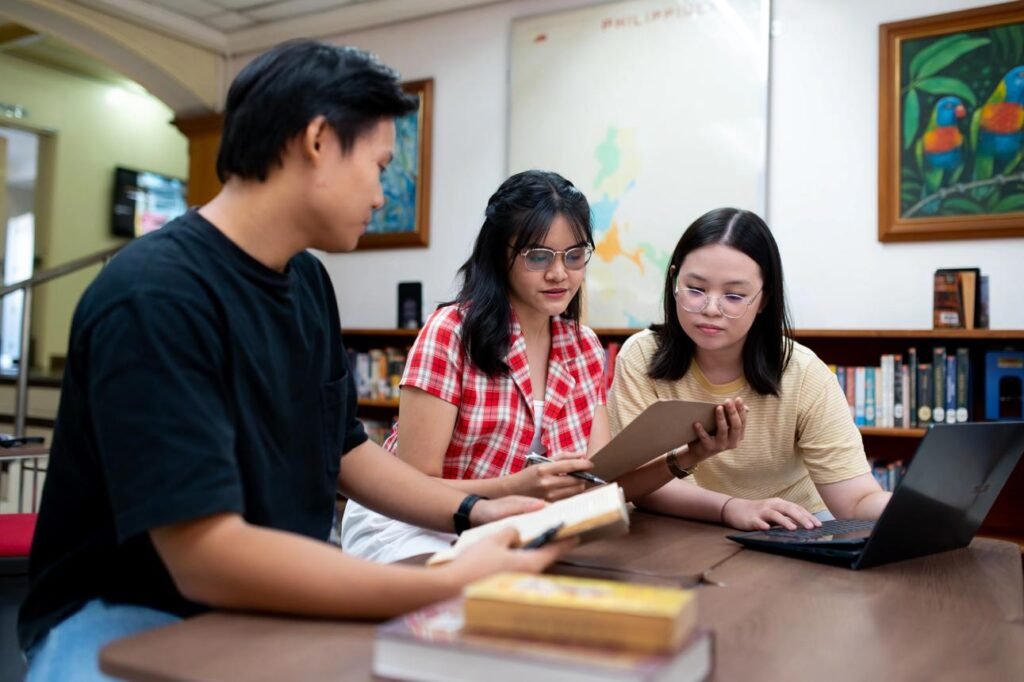
Education is one of the most important areas where Filipino women have made significant contributions.
Women in the Philippines participate in primary education, secondary schooling, universities, vocational training, and professional development programmes.
Many pursue degrees in medicine, engineering, business administration, information technology, education, law, and other fields.
Access to Higher Education
Universities and educational institutions provide opportunities for Filipino women to develop professional knowledge and practical skills.
Higher education allows women to explore different career options and become financially independent.
Women as Educators
Filipino women also contribute to society as teachers, professors, researchers, and academic administrators.
Their work supports students, strengthens educational institutions, and helps develop future generations.
Digital Learning Opportunities
Online education has created additional opportunities for women who want to improve their skills while managing other responsibilities.
Digital courses, professional certifications, and remote learning programmes make education more accessible to different communities.
3. Filipino Women in Business and Entrepreneurship

Entrepreneurship is another important area where Filipino women contribute to economic development.
Across the Philippines, women operate small businesses, retail stores, online shops, restaurants, professional service companies, and creative enterprises.
Many entrepreneurs begin with small investments and gradually develop their businesses through customer relationships, product development, and digital marketing.
Growth of Women-Owned Businesses
Women entrepreneurs participate in several industries, including:
-
Fashion and clothing.
-
Food and hospitality.
-
Beauty and personal care.
-
Retail and e-commerce.
-
Digital marketing.
-
Education and consulting.
-
Creative and professional services.
Digital Entrepreneurship
Social media and e-commerce platforms have changed how women establish and manage businesses.
Filipino entrepreneurs can promote products, communicate with customers, and reach audiences beyond their local communities.
These opportunities allow women to explore business ownership and develop new sources of income.
4. Filipino Women in Politics and Leadership
Filipino women have also contributed to political leadership and public administration.
Women have served as presidents, senators, government officials, local representatives, judges, and community leaders.
Their participation helps bring different experiences and perspectives into public discussions and decision-making processes.
Women in Philippine Politics
The Philippines has a notable history of women participating in national leadership.
Two prominent examples are:
Corazon Aquino: She became the first female president of the Philippines in 1986. Her presidency followed the People Power Revolution and represented an important period in Philippine political history.
Gloria Macapagal Arroyo: She served as president from 2001 to 2010 and was one of the country’s prominent female political leaders.
Their political careers demonstrate the presence of women in the highest levels of Philippine government.
Leadership Beyond Government
Filipino women also lead educational institutions, nonprofit organizations, private companies, and community initiatives.
Their involvement extends beyond political positions and influences different areas of public life.
5. Filipino Women in Healthcare and Medicine

Healthcare is another sector where Filipino women make valuable contributions.
Women work as doctors, nurses, pharmacists, medical researchers, healthcare administrators, midwives, and community health professionals.
Their work supports hospitals, clinics, medical institutions, and public health programmes.
Nursing and Medical Services
Filipino healthcare professionals are recognised internationally for their contributions to medical services.
Many Filipino women work in healthcare institutions within the Philippines and abroad.
Community Healthcare
Women also participate in local health education, maternal care, vaccination programmes, and community awareness initiatives.
These activities help improve access to healthcare information and services.
Medical Research and Innovation
Some Filipino women contribute to medical research, public health studies, healthcare technology, and scientific education.
Their involvement supports the development of healthcare knowledge and better medical practices.
6. Filipino Women in Technology and Digital Industries
Technology has created new career opportunities for Filipino women.
Women increasingly participate in software development, cybersecurity, data analysis, digital marketing, information technology, and other technology-related professions.
Careers in Technology
Some career options include:
-
Software engineering.
-
Web development.
-
Data analytics.
-
Cybersecurity.
-
User experience design.
-
Digital marketing.
-
Artificial intelligence research.
Remote Work Opportunities
Remote employment has also changed the professional landscape.
Filipino women can work with international clients and companies through online platforms without necessarily relocating to another country.
However, access to reliable internet, technical education, and professional networks remains important for taking advantage of these opportunities.
7. Filipino Women and Cultural Preservation
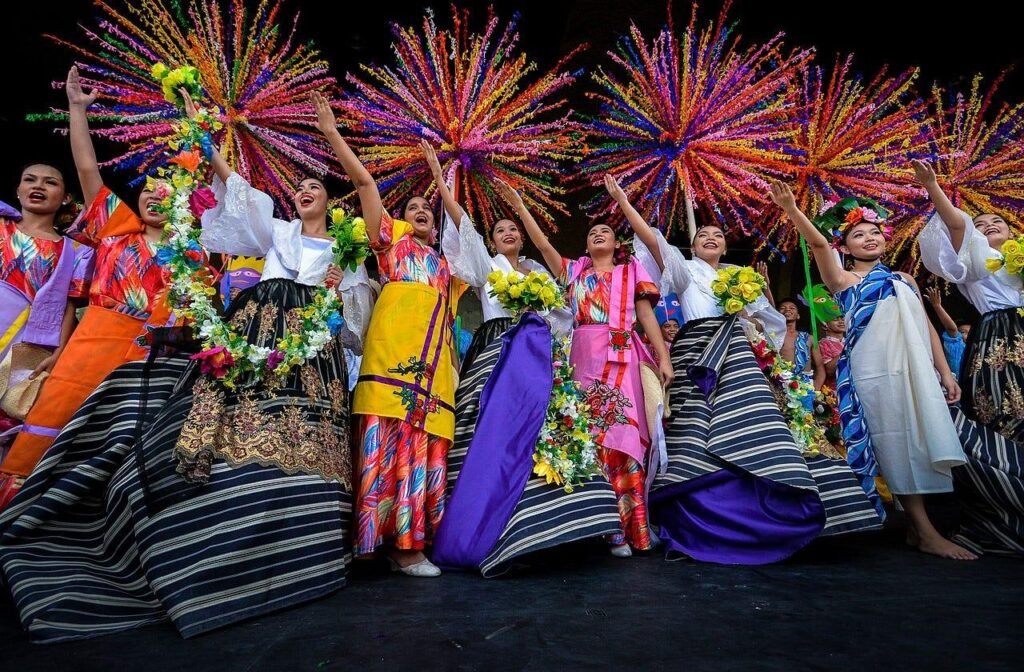
While modern opportunities continue to expand, cultural preservation remains an important part of Filipino women’s contributions.
Women participate in passing cultural knowledge, traditional practices, regional languages, recipes, music, and celebrations between generations.
Preserving Traditional Clothing
Traditional garments such as the Baro’t Saya and Filipiniana remain important symbols of Filipino cultural heritage.
Modern designers and cultural organisations continue to introduce these styles to younger audiences.
Preserving Food Traditions
Family recipes and regional cooking practices are often shared between generations.
Traditional dishes such as adobo, sinigang, pancit, and kare-kare remain important parts of Filipino food culture.
Supporting Festivals and Community Events
Women participate in cultural festivals, traditional performances, local celebrations, and community organisations.
These activities help maintain connections between Filipino heritage and contemporary society.
8. The Role of Filipino Women in Family and Community Development
Family relationships remain important in many Filipino communities.
Filipino women contribute to family development in different ways, including financial support, childcare, education, household management, and emotional support.
However, family responsibilities are not limited to women. Modern Filipino households increasingly reflect shared responsibilities between partners and family members.
Supporting Children’s Education
Many women actively participate in children’s educational development by supporting school activities, learning routines, and personal growth.
Financial Contributions
Women contribute to household income through employment, entrepreneurship, professional services, and other economic activities.
Community Participation
Beyond their immediate families, many Filipino women participate in volunteer programmes, educational initiatives, environmental activities, and local development projects.
Their contributions help strengthen community relationships.
9. Challenges Faced by Filipino Women in Modern Society
Despite significant progress, Filipino women continue to experience challenges in different areas of life.
Understanding these issues is important when discussing women’s roles in modern society.
Workplace Inequality
Some women experience differences in pay, career progression, employment opportunities, and workplace representation.
Equal professional opportunities remain an important objective.
Balancing Professional and Family Responsibilities
Managing work, family commitments, education, and personal interests can be challenging.
Access to childcare, supportive workplaces, and shared household responsibilities can help address these pressures.
Gender-Based Discrimination
Gender stereotypes and unequal social expectations can limit opportunities in certain environments.
Education, awareness, workplace policies, and legal protections play important roles in addressing discrimination.
Access to Opportunities
Women in remote and economically disadvantaged communities may face difficulties accessing higher education, healthcare, professional training, and reliable internet services.
Improving these areas is essential for inclusive development.
10. The Future of Filipino Women in Modern Society
The future of Filipino women will be influenced by education, technology, economic development, social policies, and changing professional opportunities.
Several areas are likely to remain important.
Technology and innovation: More opportunities in digital industries can help women participate in emerging professions.
Business ownership: Access to financial resources, mentorship, and digital marketplaces can support women entrepreneurs.
Leadership development: Greater representation in public institutions and private organisations can strengthen women’s participation in decision-making.
Education and skill development: Professional training and accessible education can help women prepare for changing employment requirements.
Social equality: Continued efforts toward fair employment, personal safety, and equal opportunities can support a more inclusive society.
The future is not simply about increasing women’s participation. It is also about ensuring that they have the resources, opportunities, and freedom to make their own decisions.
Frequently Asked Questions (FAQs)
1. What is the role of Filipino women in modern society?
Filipino women contribute to education, healthcare, business, politics, technology, cultural preservation, family development, and community services.
2. Are Filipino women active in professional careers?
Yes. Filipino women work in different professional fields, including medicine, education, engineering, business, finance, technology, and government.
3. Who was the first female president of the Philippines?
Corazon Aquino became the first female president of the Philippines in 1986.
4. How do Filipino women contribute to economic development?
They contribute through employment, entrepreneurship, professional services, business ownership, education, and participation in different industries.
5. What challenges do Filipino women face?
Some challenges include workplace inequality, gender discrimination, unequal access to opportunities, and balancing professional and family responsibilities.
6. How do Filipino women preserve their culture?
They help preserve Filipino traditions through regional languages, traditional food, cultural festivals, family practices, music, dance, and traditional clothing.
7. Are Filipino women working internationally?
Yes. Many Filipino women work in countries such as the United States, Canada, Australia, the United Kingdom, and the United Arab Emirates across healthcare, education, business, and other industries.
8. What is the future of Filipino women in society?
Their future includes expanding opportunities in education, technology, entrepreneurship, leadership, healthcare, and other professional sectors.
Conclusion
Filipino women play an important role in modern Philippine society through their contributions to education, business, politics, healthcare, technology, culture, and community development.
Their influence extends beyond traditional family responsibilities and includes professional achievements, entrepreneurship, leadership, and international participation.
Although challenges such as workplace inequality, discrimination, and limited access to opportunities remain, continued progress in education, technology, and social development can create more possibilities.
The modern Filipino woman represents a diverse range of experiences, ambitions, and perspectives. Recognising these contributions is essential to understanding the Philippines’ cultural identity and its future development.







[…] regions and families have their own variations, making adobo an excellent example of Filipino culinary […]